
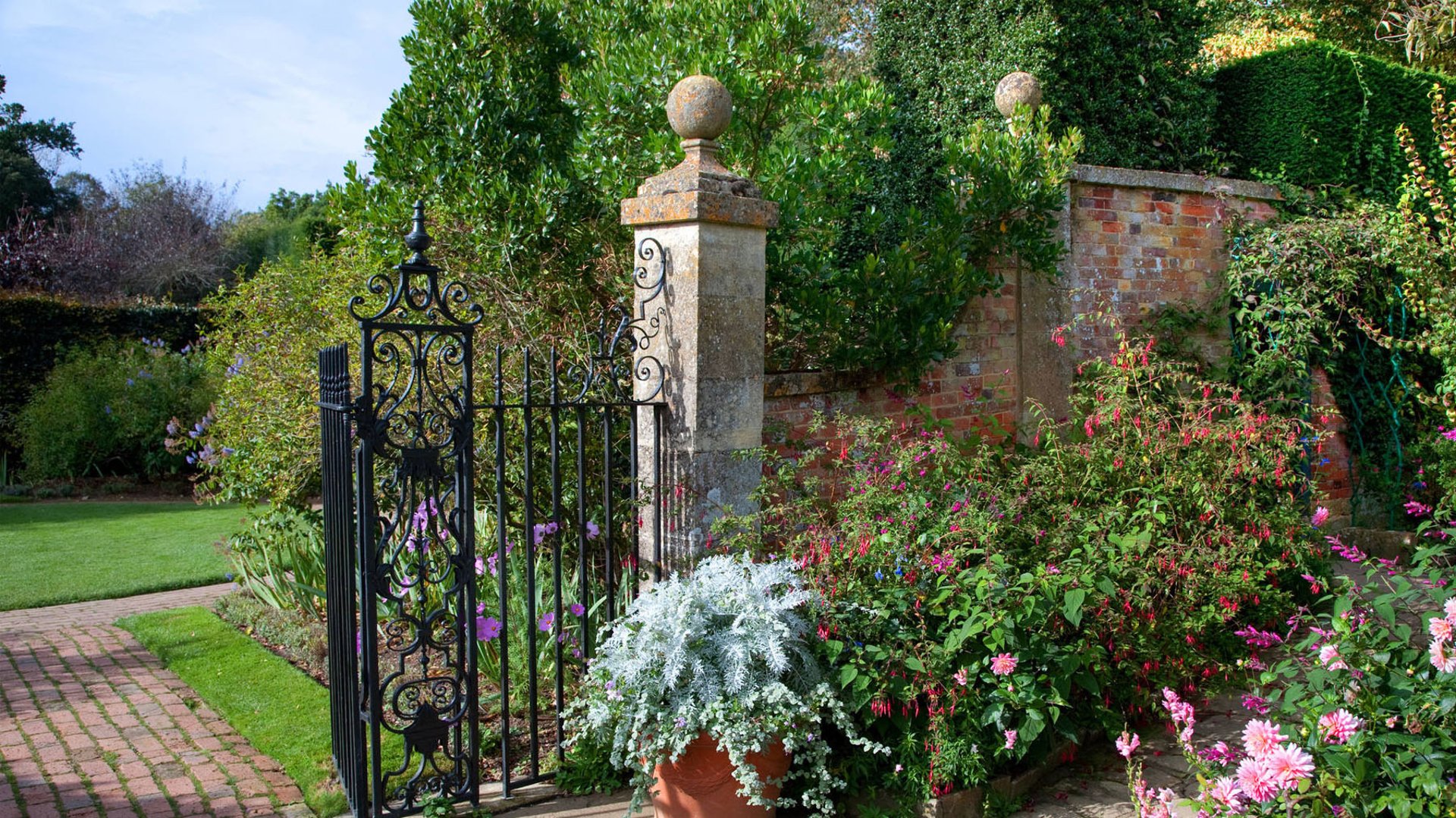
Transforming ordinary landscapes into the extraordinary.
At The King's Garden, we specialize in creating and maintaining stunning outdoor spaces for homeowners in Williamsburg, VA, and the surrounding areas. Our expert team delivers top-quality landscaping, from custom landscape design and installation to routine maintenance and seasonal care.
With a commitment to expert craftsmanship and customer satisfaction, we take pride in transforming properties into vibrant, well-maintained landscapes that enhance curb appeal and outdoor living. Whether you need a complete garden makeover, professional lawn care, or regular upkeep, The King’s Garden is your trusted local landscaping partner.
Serving Williamsburg, James City County, York County, and beyond.
Let’s bring your landscape vision to life.
Premier Landscaping Services in Williamsburg, VA
5 Stars! Mitch quoted. Mitch drew up plans. Mitch worked and worked and WORKED. Our property looks amazing. His crew is so professional and polite. They are God's Feet in His garden! Highly recommend The King's Garden.
Wendy W.
★★★★★
★★★★★
★★★★★
The King's Garden did a wonderful job on our landscaping project. The owner is knowledgeable, honest, reliable and easy to work with. He came up with a great design for a difficult area including retaining walls and a drain. His crew also followed up to perfect a couple of areas that needed a slight adjustment after completion. They do great work and they stand behind it. Extremely pleased!
Mitch did amazing work in transforming a bare space into an inviting patio. He is a skilled craftsman and his excitement for the project was contagious. Mitch and his family are a joy to know, and we would not hesitate to recommend The King's Garden for any of your landscaping needs!
D. Wright
C. Tennant
Address
The King’s Garden
P.O. Box 86
Lightfoot VA 23090
Contact:
Email: office@kingsgardenva.com
Phone: (757) 250-3935
© Copyright 2025 The King's Garden - All Rights Reserved